In 30 seconds
What to decide before you create a character
Most newcomer problems start not with a wrong rotation but with choices made before playing. Server, faction and class decide who you play with and which game loop you see every day.
Treat the start not as a list of "secret tricks" but as a map of the core systems to learn in the right order: server, faction, class, combat, market, progression, the world and group content.
- ServerWhere your friends and legion play
- FactionWho you can run content with
- ClassThe combat style you will repeat for hundreds of hours
Picking a server: a small choice that grows big
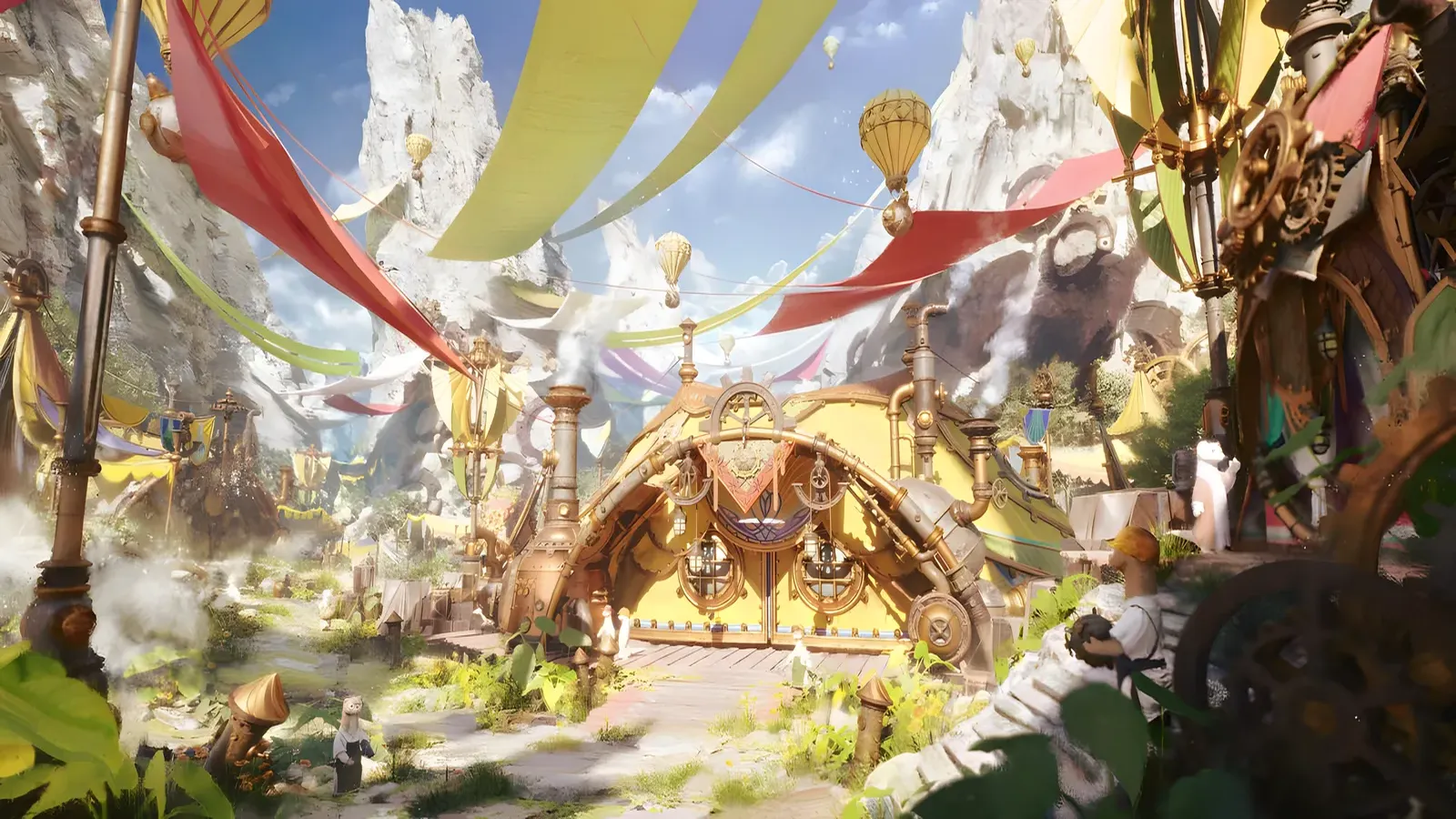
If you start alone, the server looks like a technical step. If you later want to join friends, a legion or a regular group, it becomes fundamental. The server list by region and the opening times are on the AION 2 servers page.
Elyos or Asmodians: choosing a side
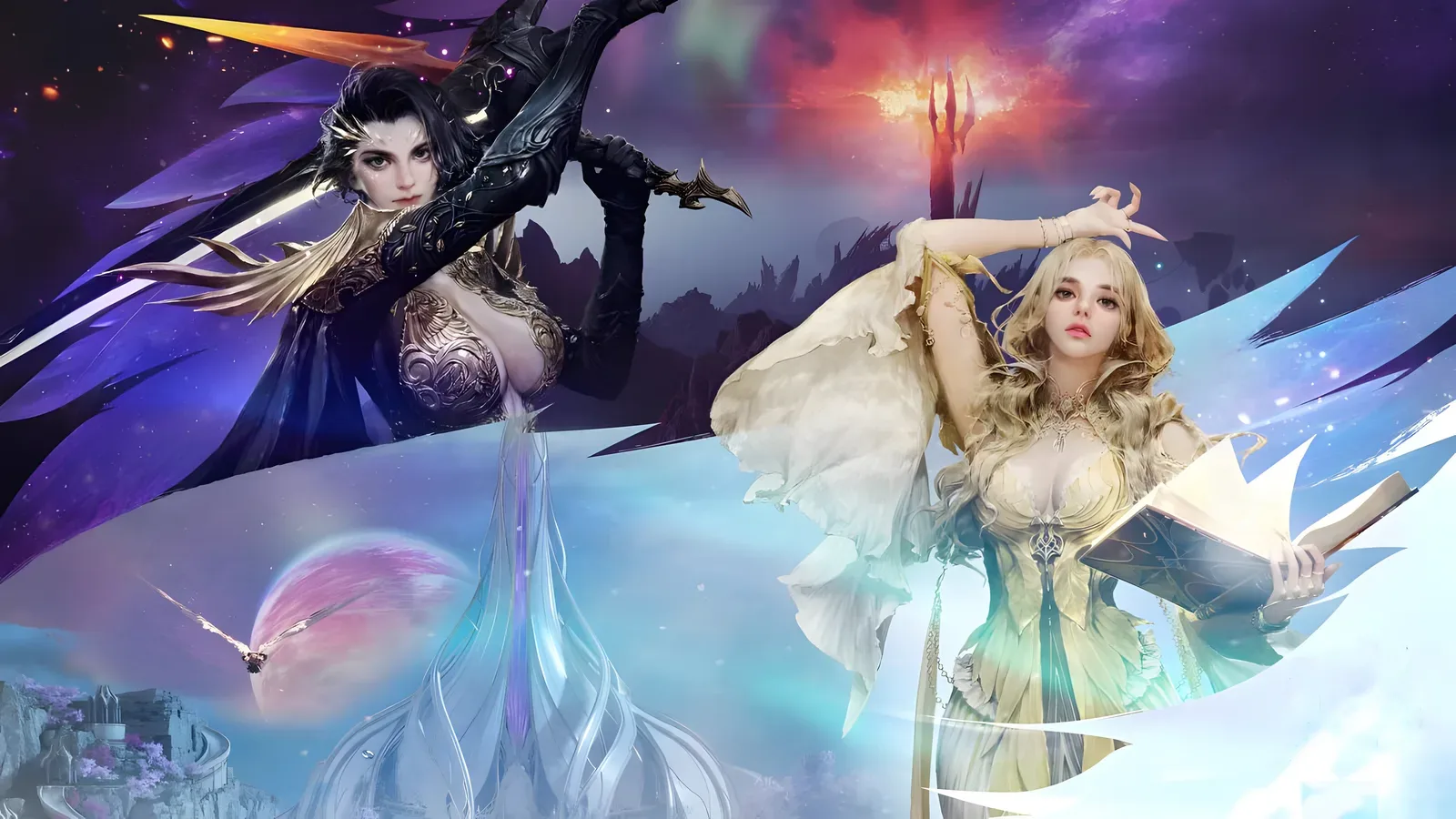
A faction is not just a button in the editor. It decides the side you start on, and everyone who plans to progress together must share it.
The practical choice is to pick the side together with your future group. If you play fully solo, go with the atmosphere and style you like rather than a "mathematically correct" side.
How to pick your first class and not regret it a week later
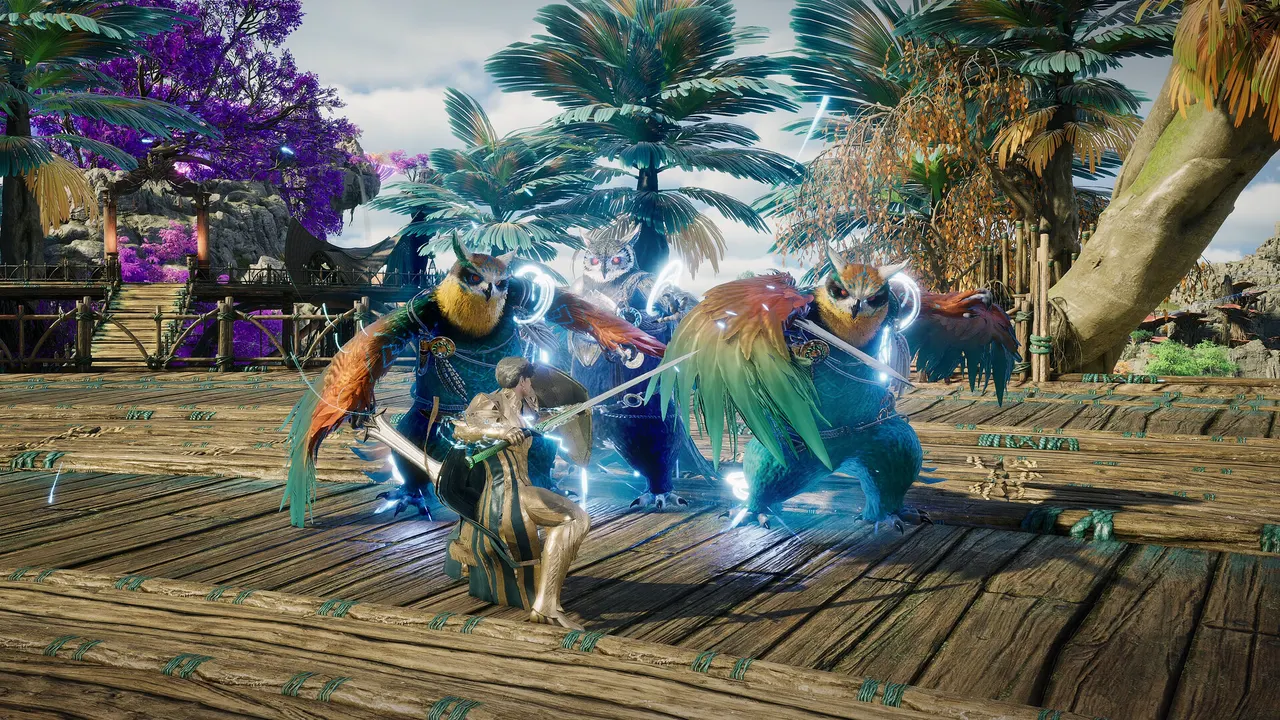
Your first character should not be "the strongest in someone else's table", but the one you want to play through the story, dungeons and the open world every day. Balance changes; a class's style stays.
Three questions before you choose
- Where do I want to stand? Next to the boss, at mid range or far away?
- Do I want to be responsible for the group? Tanks and healers make decisions everyone depends on.
- Do I like the pace? A fast technical class and a calm rotation class feel completely different.
Combat: watch the field, not only the hotbar
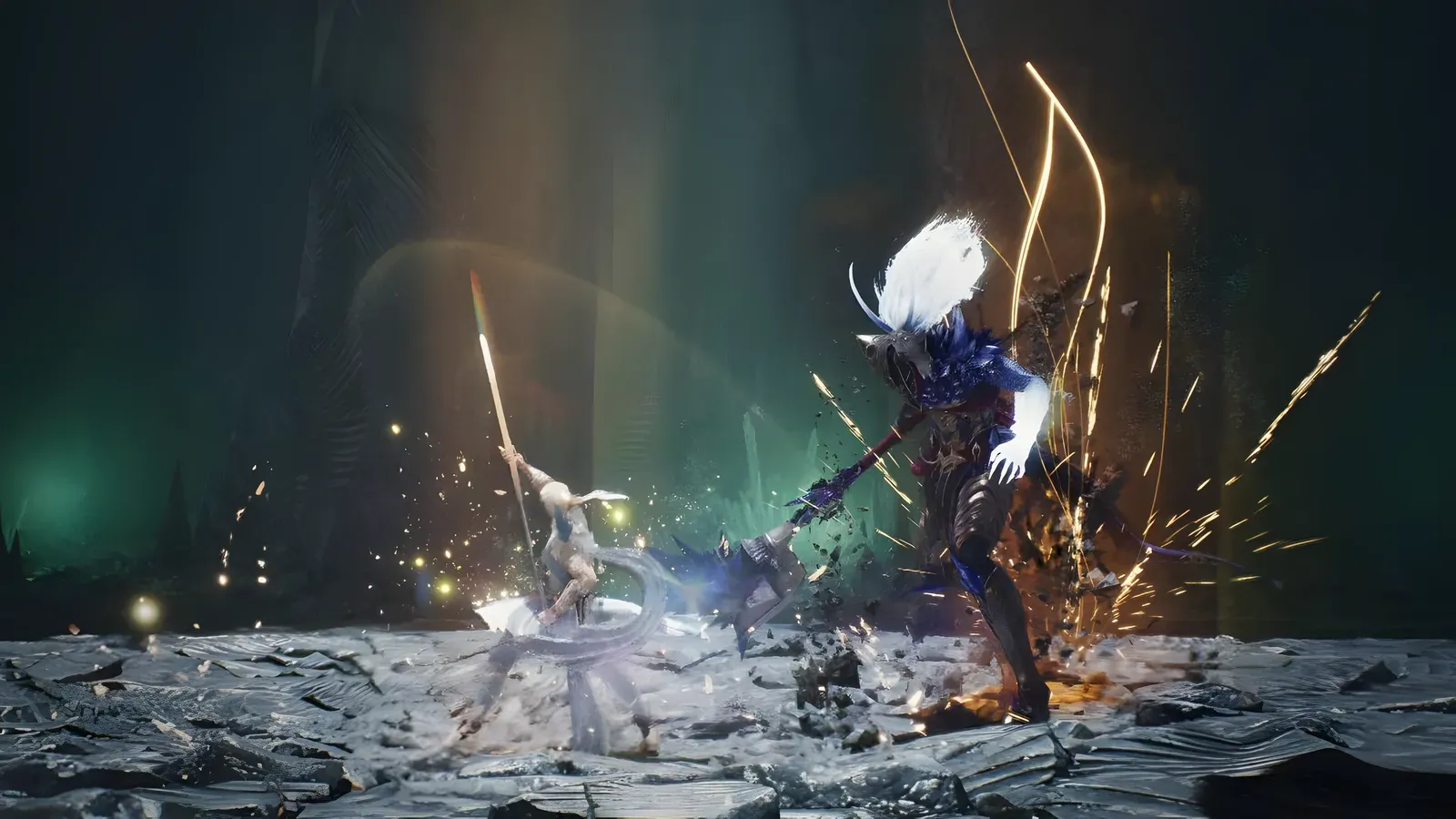
At the start it is easy to focus on your skills and stop seeing what happens around you. In a real fight a character is useful only while dealing damage, reading telegraphed attacks, keeping the right distance and not breaking the group's mechanics.
The market is a tool, not the goal
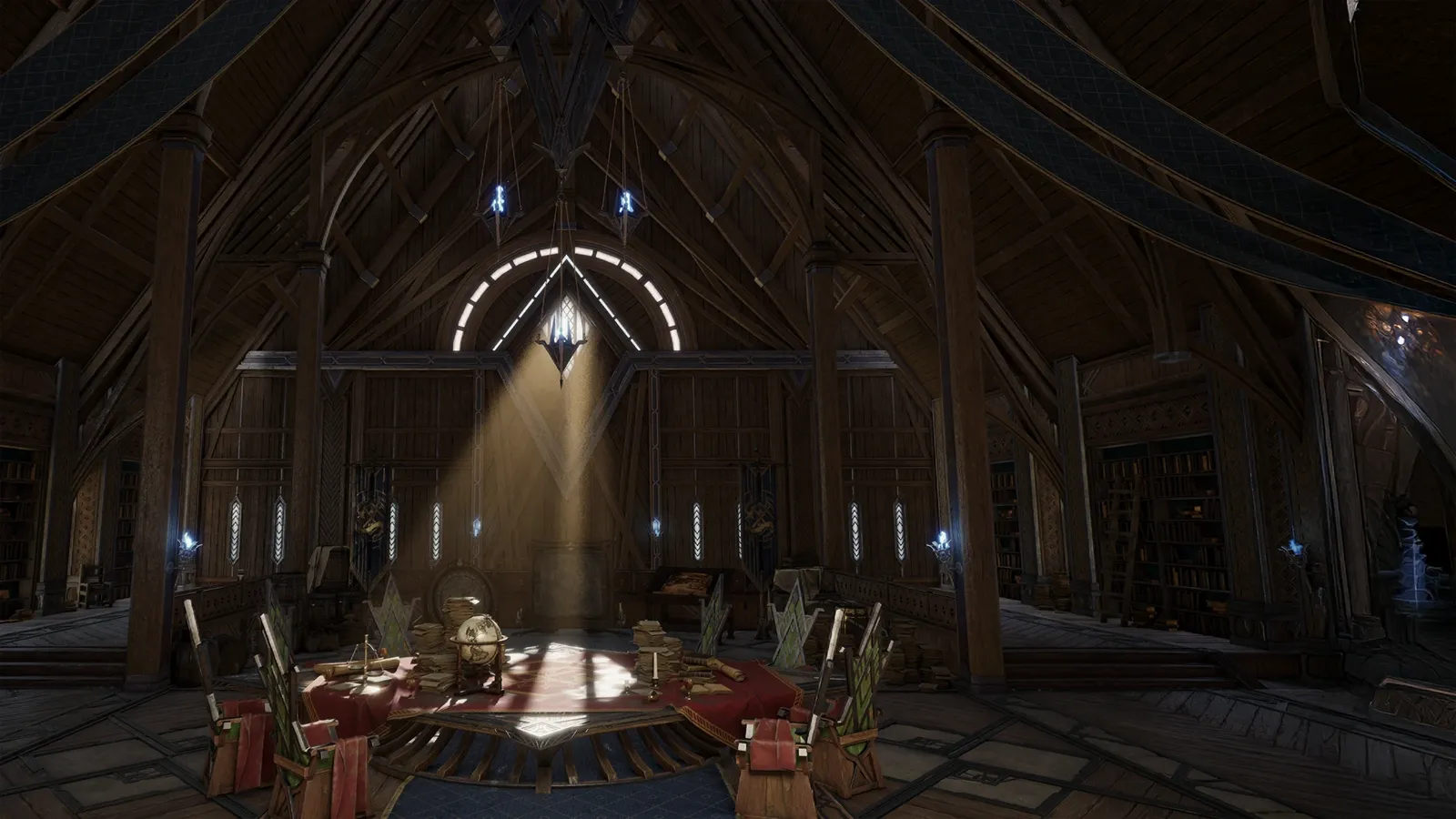
The market teaches the economy fast: you see which items are in demand, what players sell and which categories really matter. But turning your first hours into endless price comparisons is a trap.
| Task | What to do | What to avoid |
|---|---|---|
| Understand the value of loot | Check rare and unclear items | Selling everything unchecked |
| Buy what you lack | Compare alternatives first | Buying the first stronger item just for a bigger number |
| Follow the economy | Remember a few key categories | Trying to trade everything at once |
Shop and paid features: understand the system first
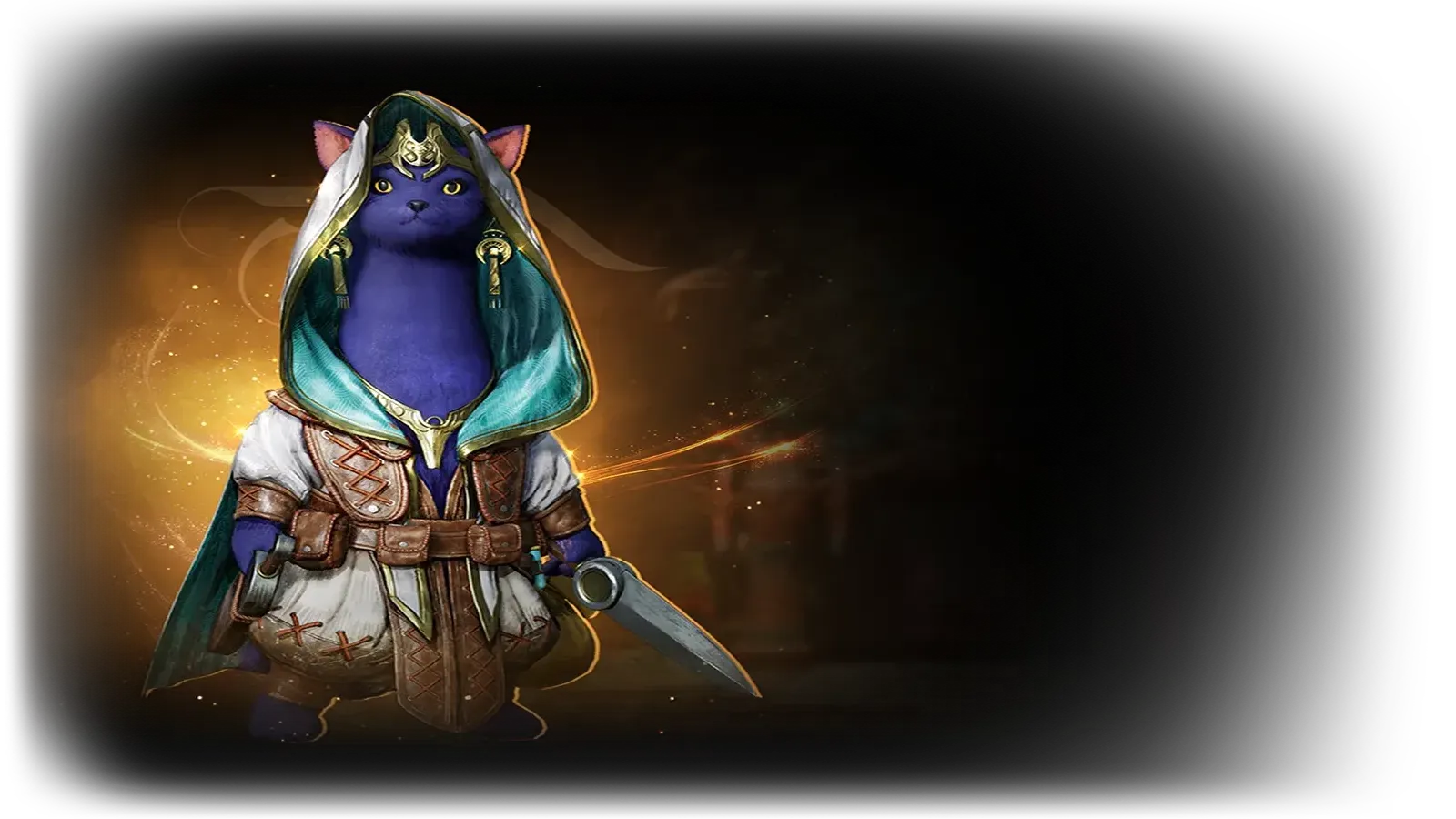
When the game shows several currencies, bundles and extra purchases, it is easy to lose context. A good rule: never judge an offer only by a bright card or the number of items inside.
What "developing a character" means
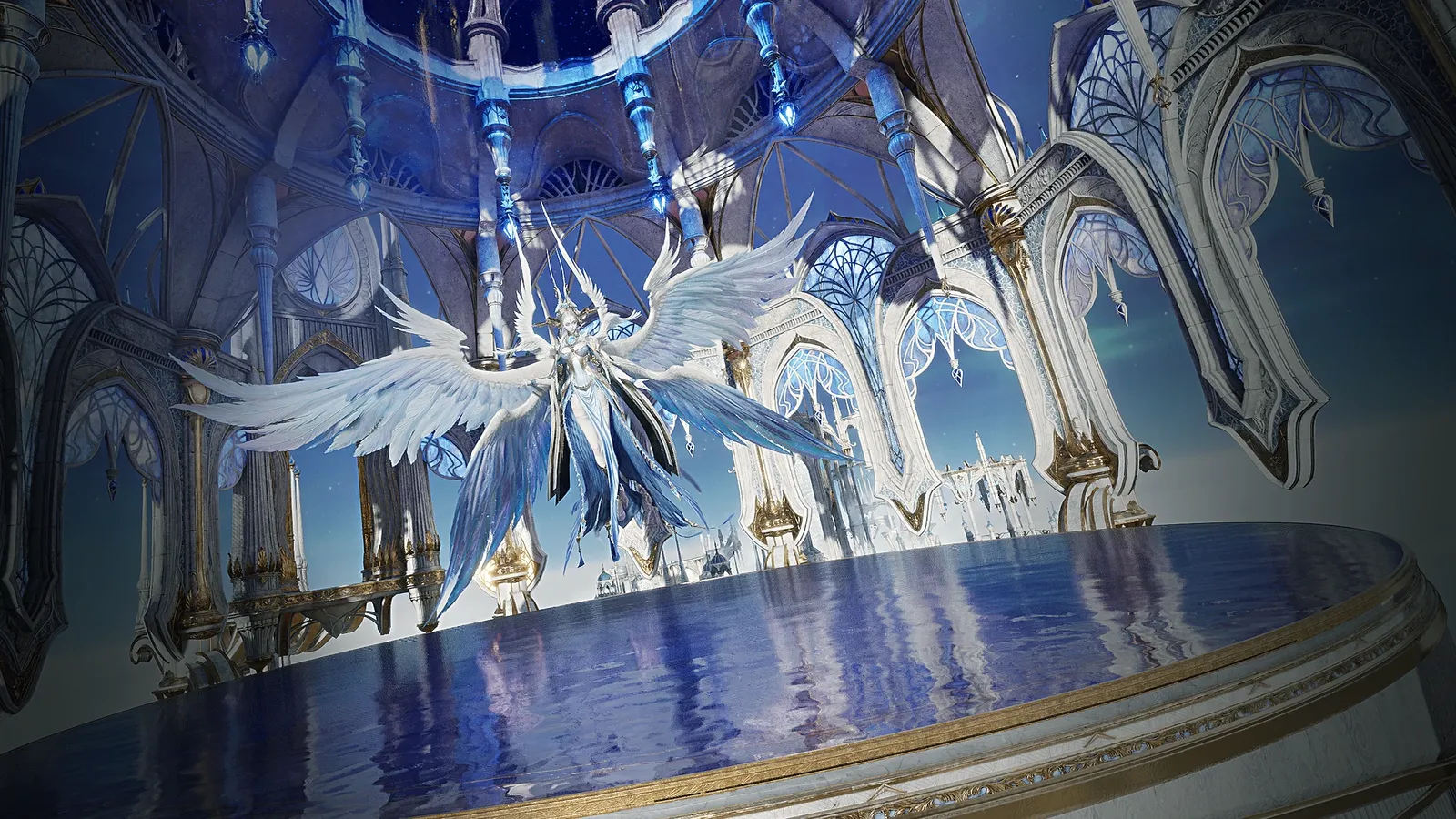
A common mistake is to see progress as one bar: level up, get stronger. In reality it has several parallel layers. Level only opens systems; real power comes from combining them.
- LevelOpens content and basic features
- SkillsDefine your combat style
- EquipmentGives stats and specialisation
- Power systemsStigmas, Daevanion, Arcana and more
- ExecutionMechanics and positioning turn numbers into results
The world: you do not need to clear the map 100% right away
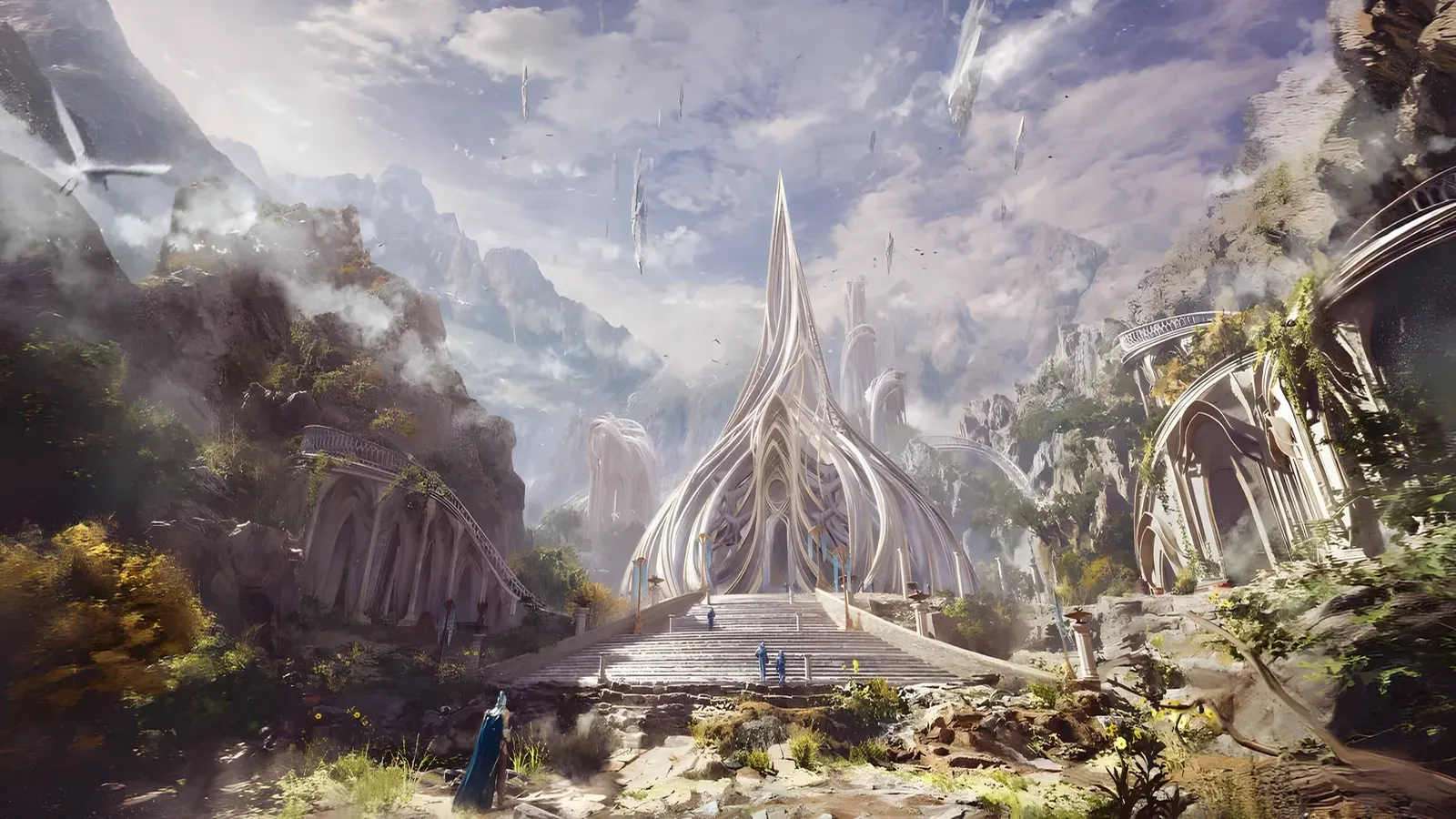
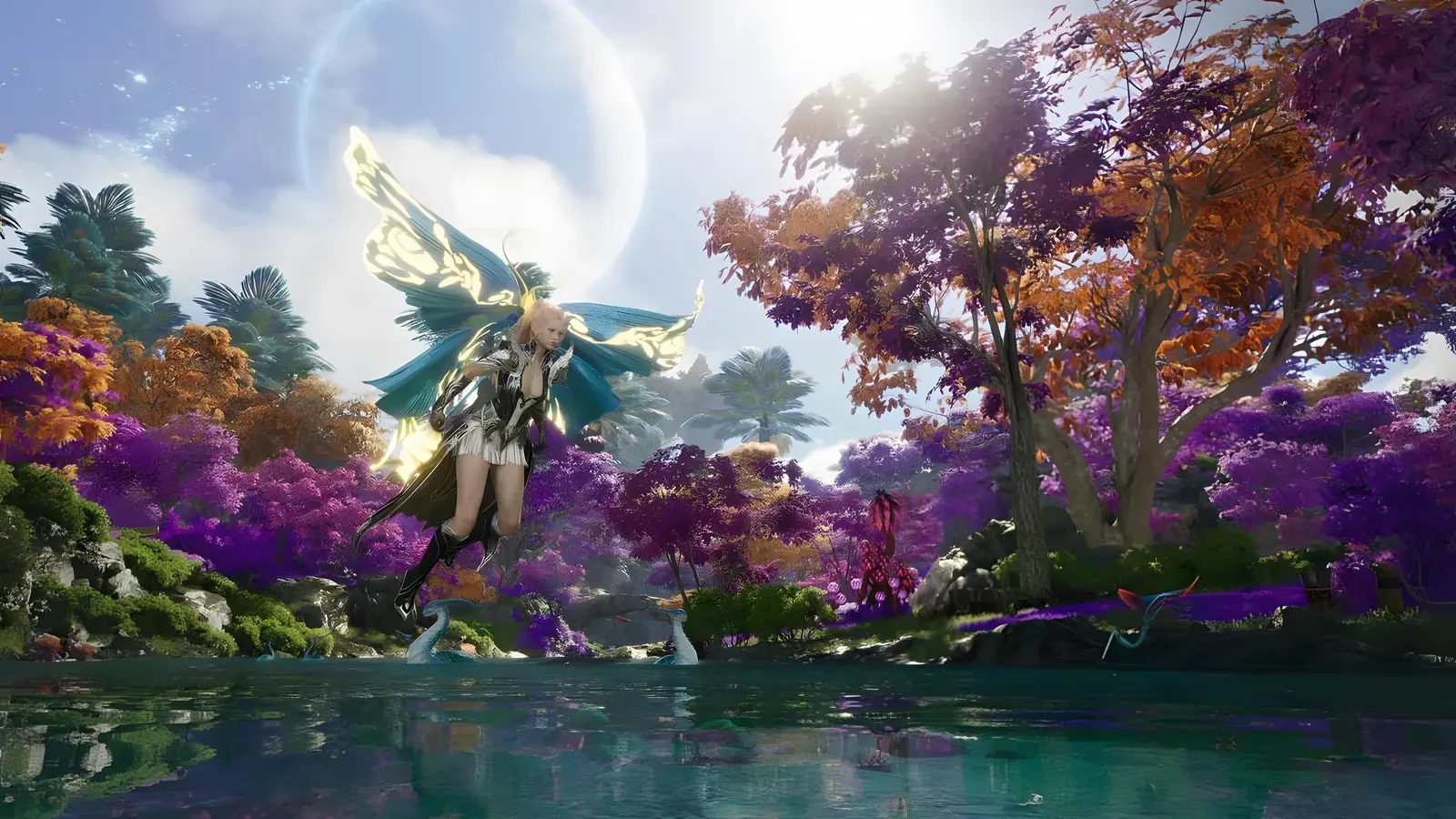
For a first character it is most efficient to follow the main route and pick up useful activities along the way. Leave full zone exploration for when you have a concrete reason to return. Everything you can find in the zones is on the interactive map.
Worth doing on the way
- unlock convenient teleport points;
- collect obviously useful things next to your route;
- finish quests that barely take you off course.
Can wait
- far-away collection goals;
- clearing the whole map;
- long activities with little value for your current stage.
Dungeons: where you really learn your class
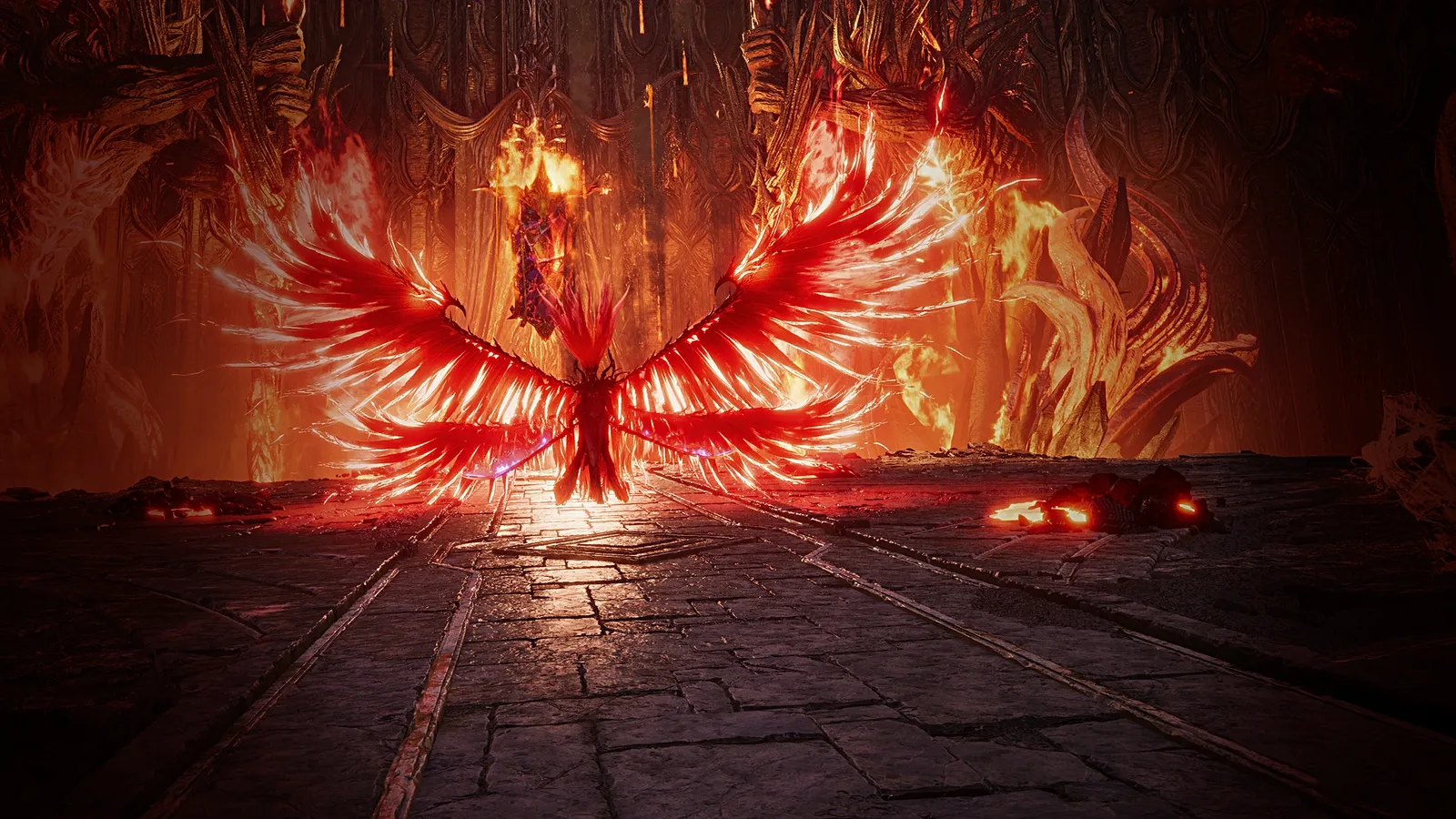
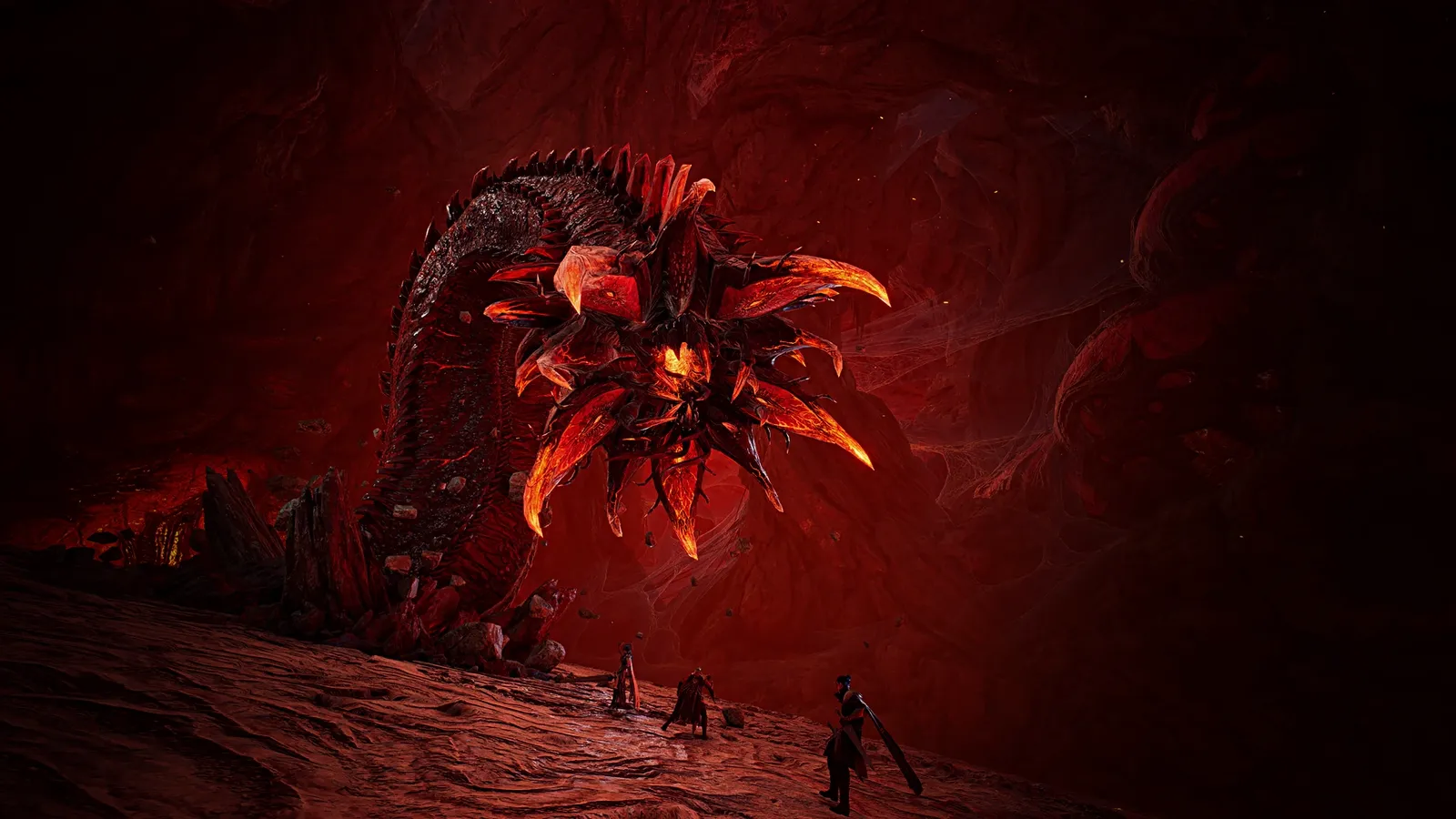
In a group you immediately see how well you know your class. In the open world you can make up for mistakes with time; in a dungeon one player's mistake becomes the whole party's problem — especially on bosses. Bosses and their loot are in the Dungeons section.
The minimum before serious PvE
- What your main rotation looks like
- Which of your skills are defensive
- How you help the group besides damage
- When to stop attacking and do the mechanic
- Which consumables you need
- Which boss attacks you must not ignore
How not to drown in activities
When the game shows dungeons, the market, the map, quests and progression systems at once, it feels like you must do everything. In practice it is easier to set priorities.
- Limited rewardsFirst, whatever resets on a timer and your character really needs.
- Main progressionStory, key quests, dungeons and upgrades that open the next stage.
- EconomyMarket, crafting and selling — once you understand what items are worth.
- Free contentExploration, collections and activities without a timer.
Mistakes that make the start harder
- Picking a server at randomThen finding out your friends or legion play elsewhere.
- Picking a class only by damageRealising a week later that the playstyle itself annoys you.
- Spending everything on a stopgap itemA small boost now and a resource shortage later.
- "Living" on the market too earlyTrading instead of unlocking systems and progressing.
- Ignoring mechanics for a numberA high gear score does not save you from constant deaths.
- Trying to clear the whole world at onceYour first character progresses much slower.
A newcomer's plan: from the first login to a confident account
- Agree on server and factionEspecially if you have friends or a legion.
- Pick a class by styleNot by one fresh damage chart.
- Follow the main routeUnlock systems and useful points along the way.
- Learn the market and currenciesDo not sell or buy unclear things blindly.
- Learn your role in a groupKnow your defensive, utility and main damage skills.
- Build working equipmentNot the best possible — enough to open the next content.
- Set up a weekly loopLimited rewards first, free activities after.
- Only then optimiseBuilds, stigmas, Arcana, the economy and fine-tuning.
A good start is not maximum speed — it is the fewest expensive mistakes
Understand the systems, pick a comfortable class, protect limited resources and raise the difficulty step by step. When optimisation matters, you will already have a base it can actually work on.
Comments